School Readiness Program
School Readiness Program
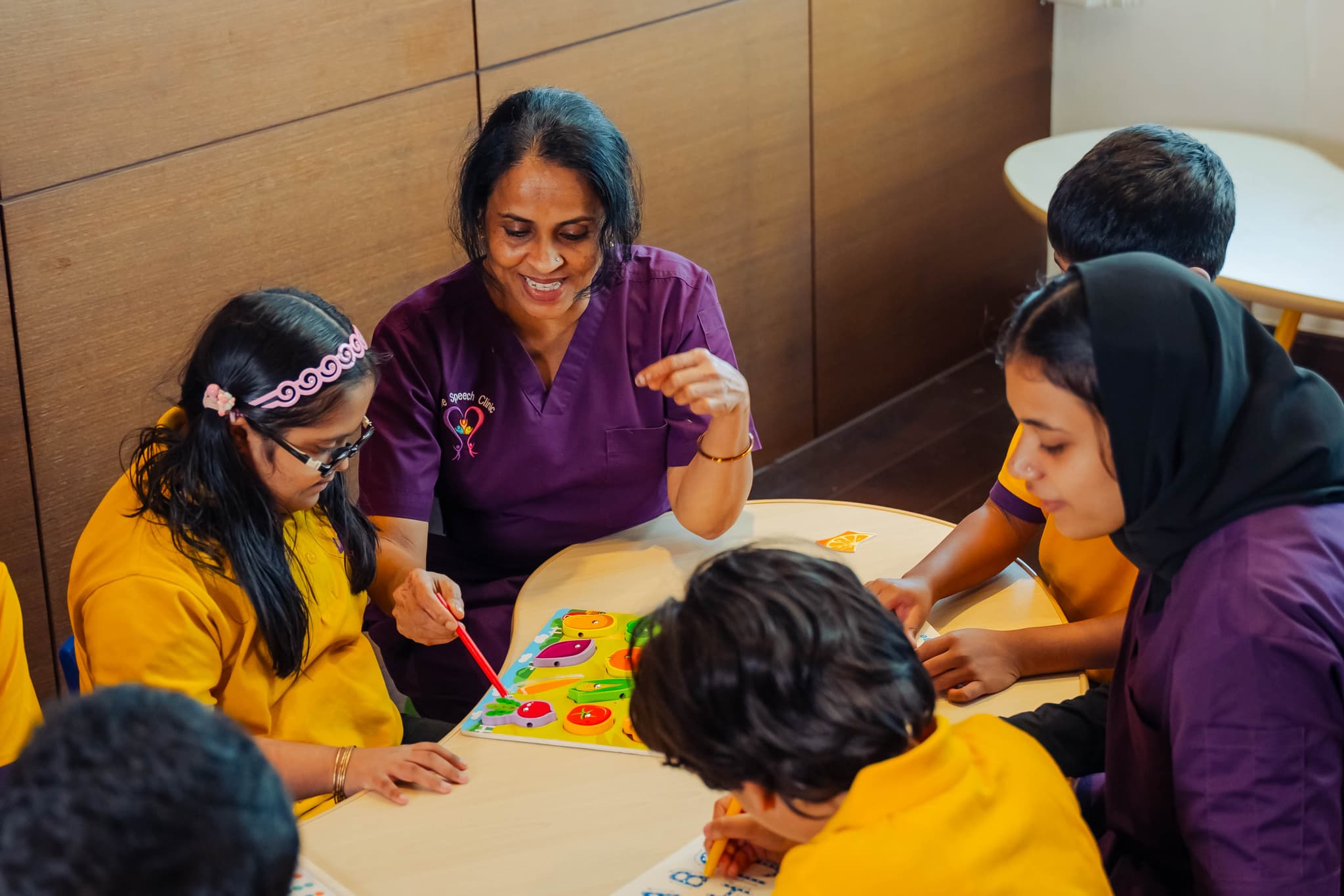
LEVEL UP refers to a structured school readiness program initiative at The Speech Clinic Dubai designed to help children develop the essential skills needed for a smooth transition into a learning environment. It focuses on fostering cognitive, social, emotional, and physical growth through individualized support, empowering children to participate, learn, and thrive at their own pace.
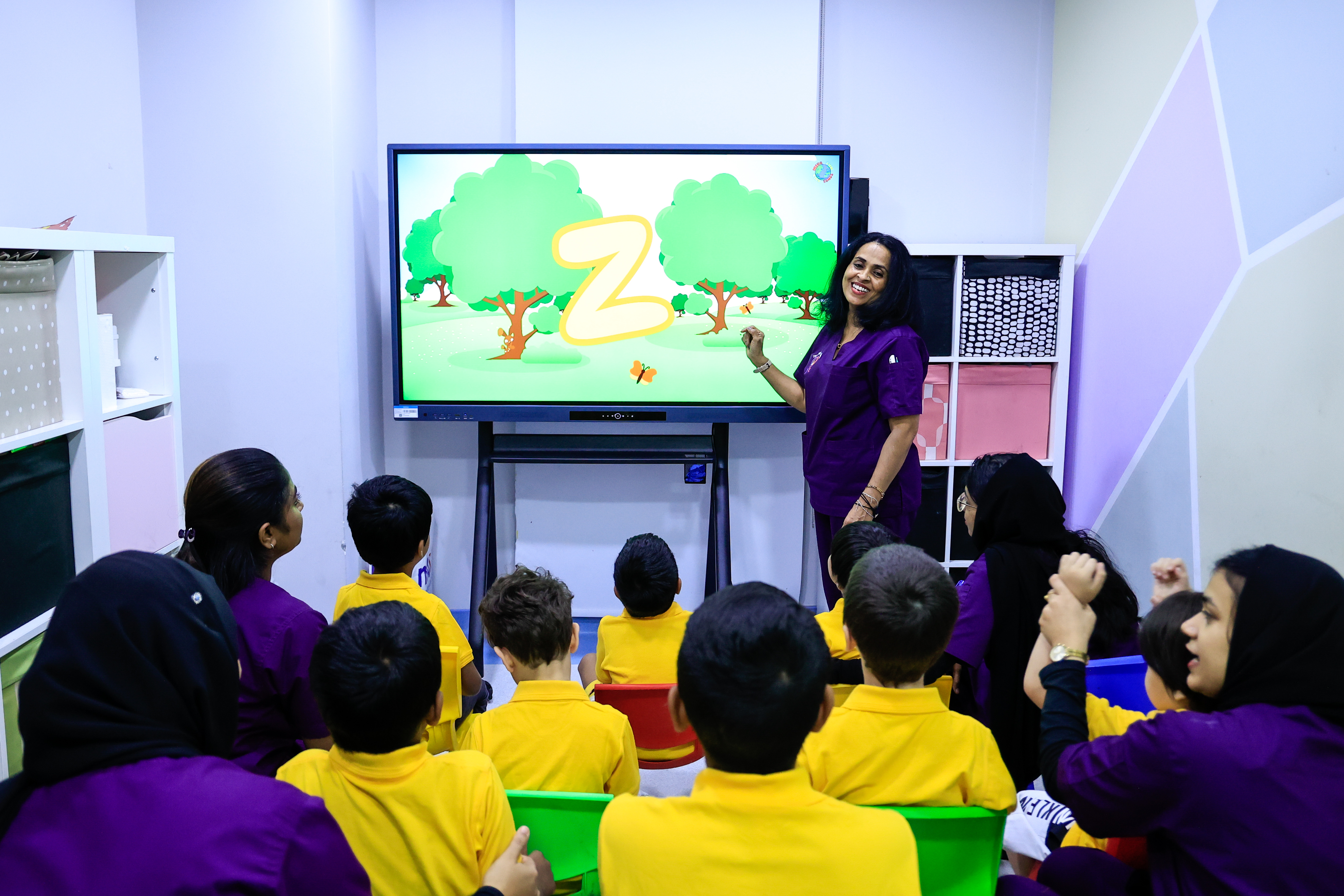
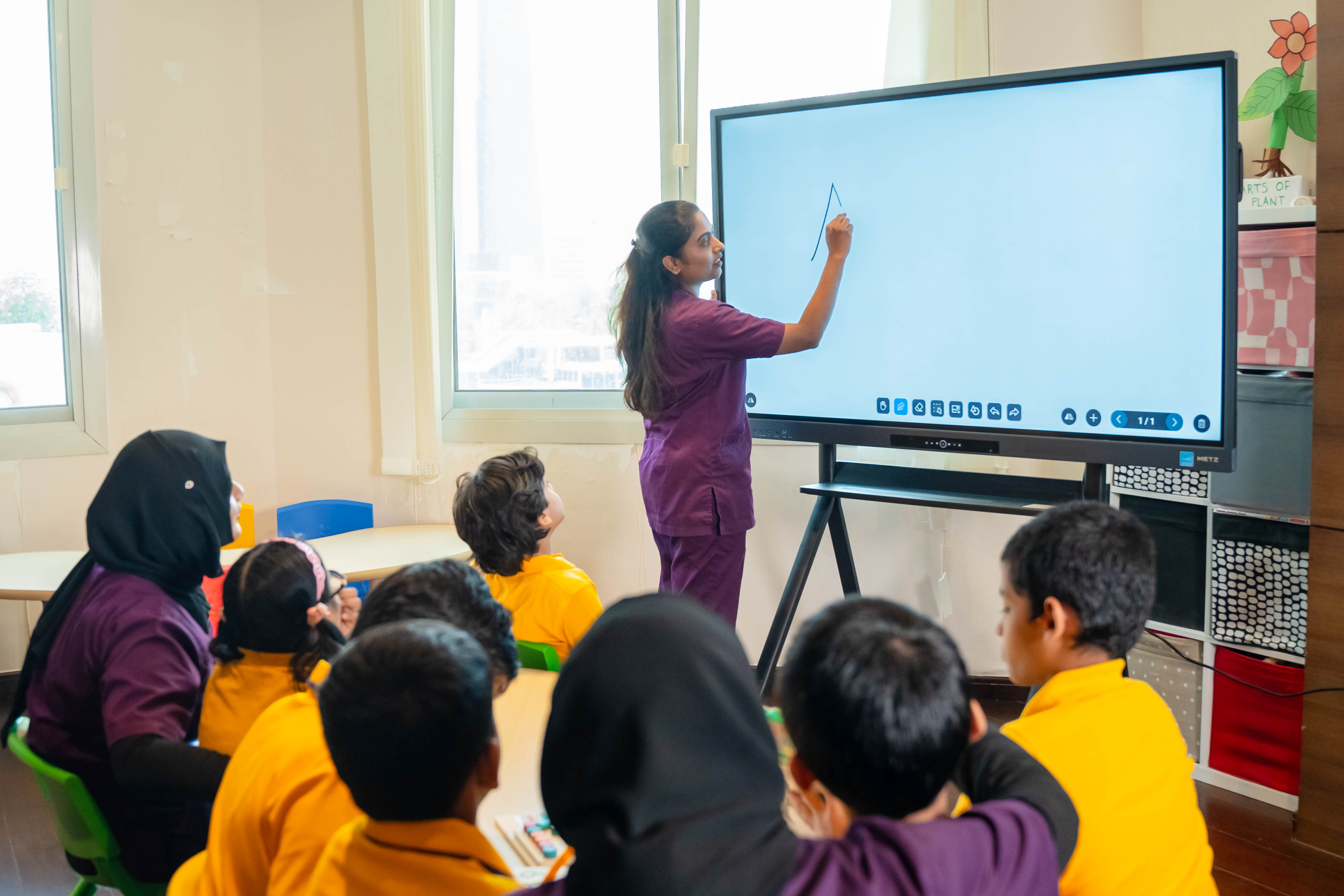
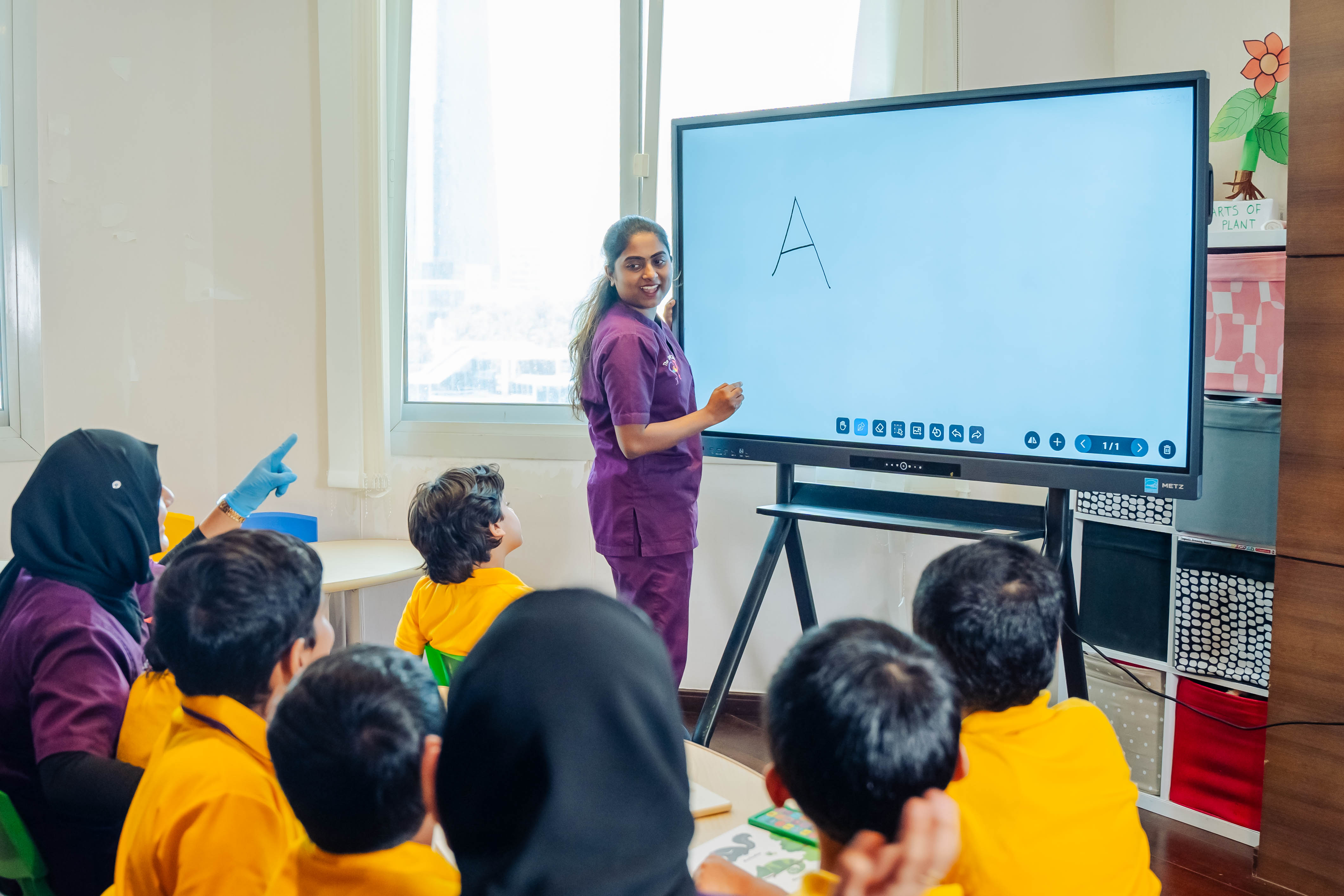
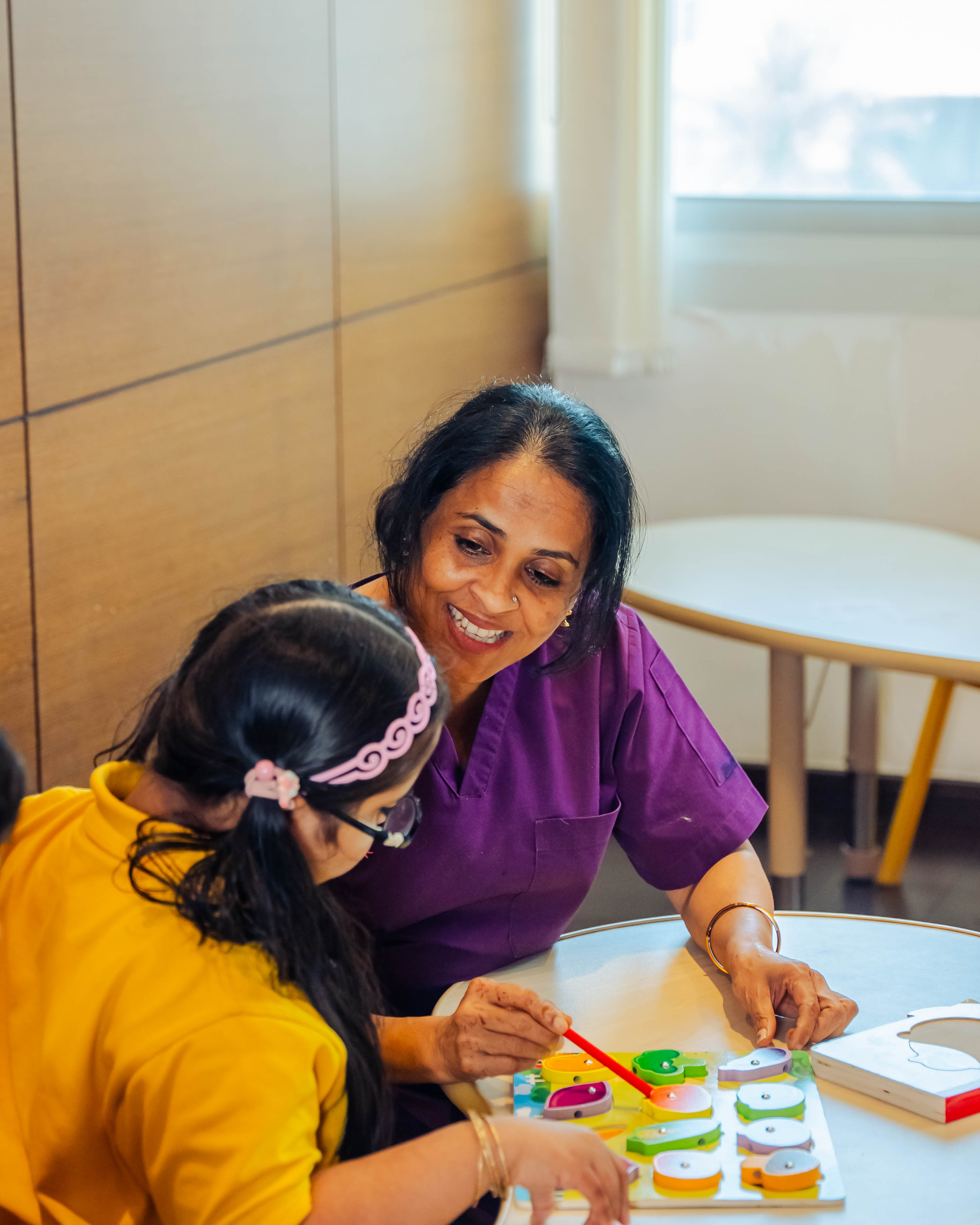
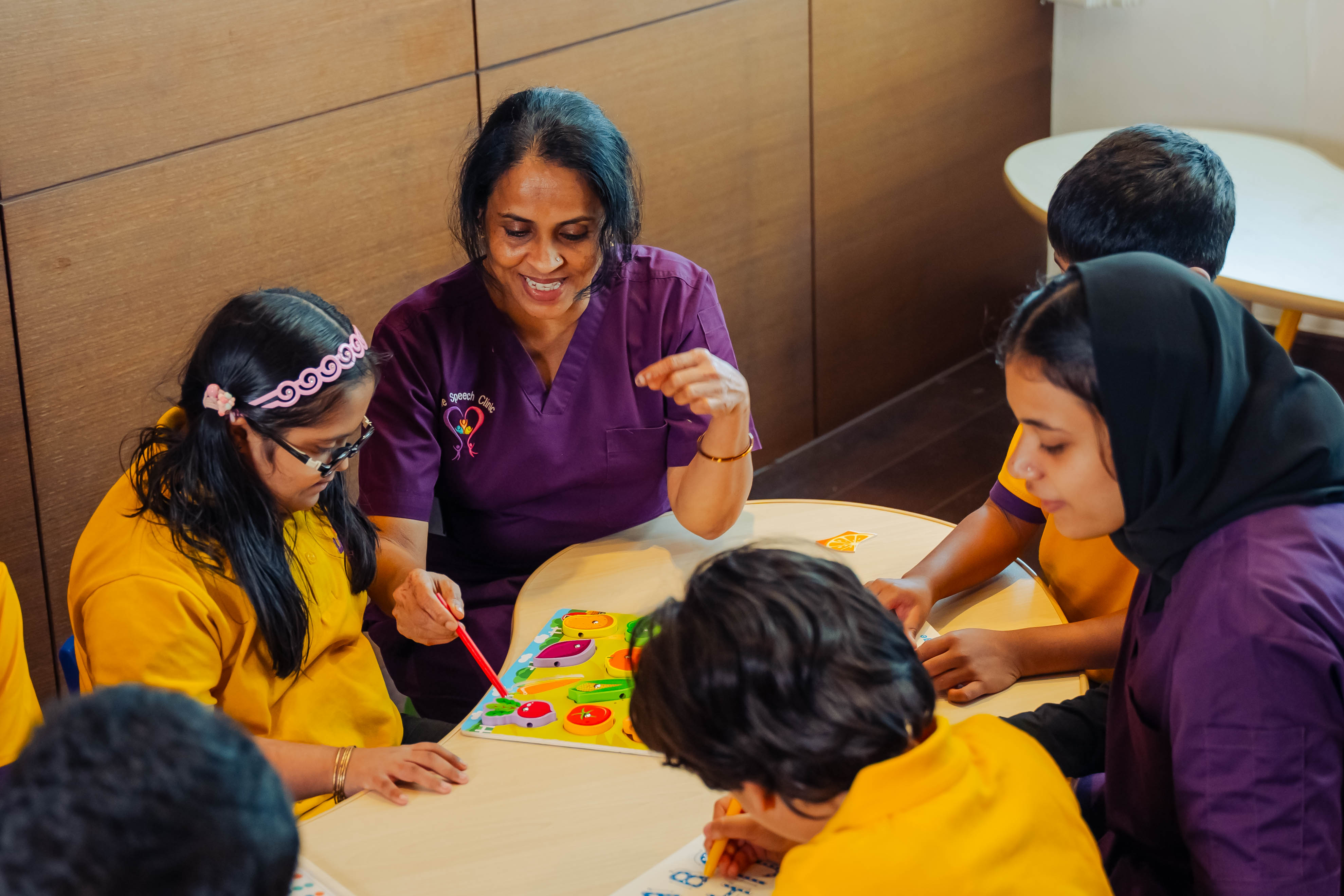
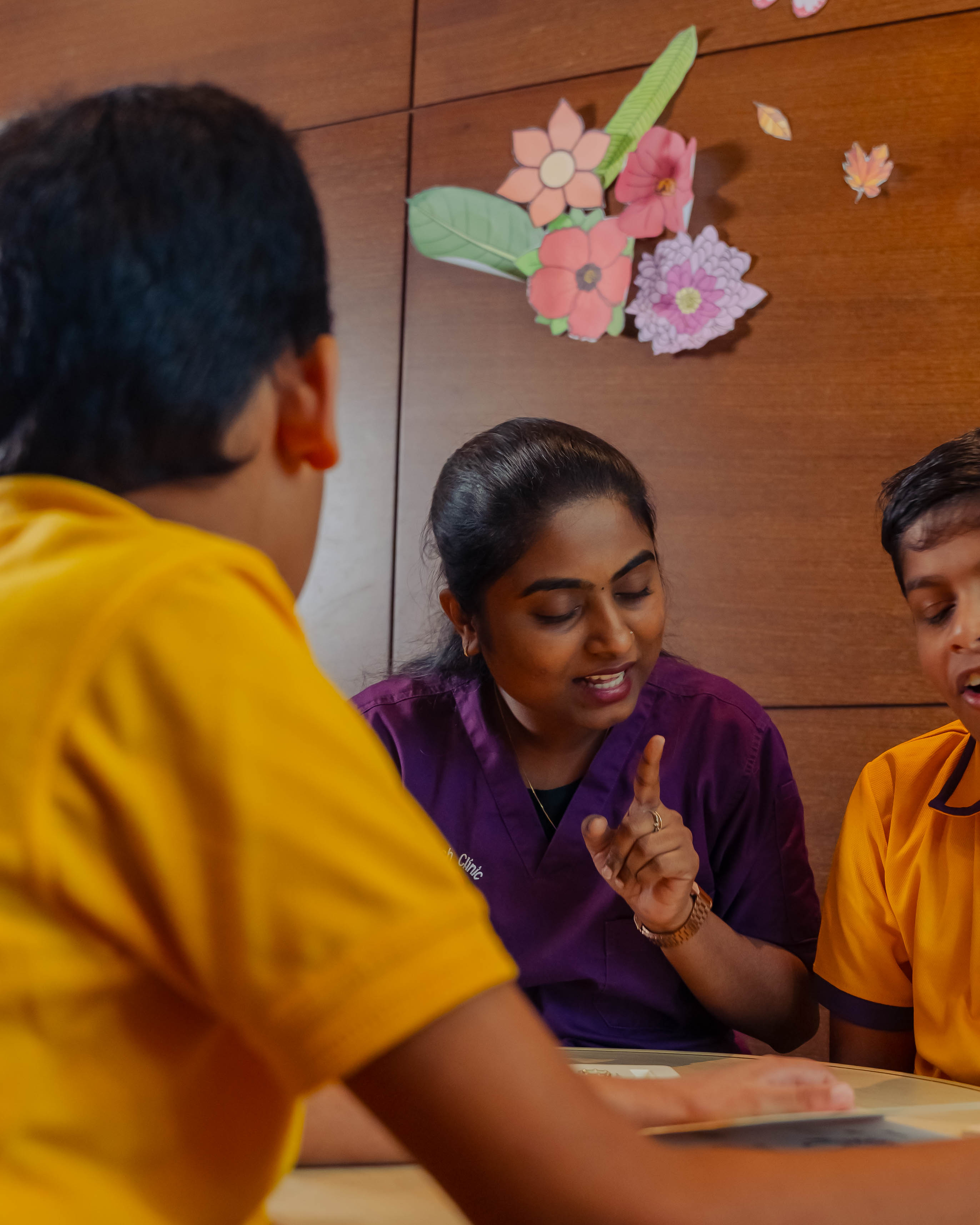
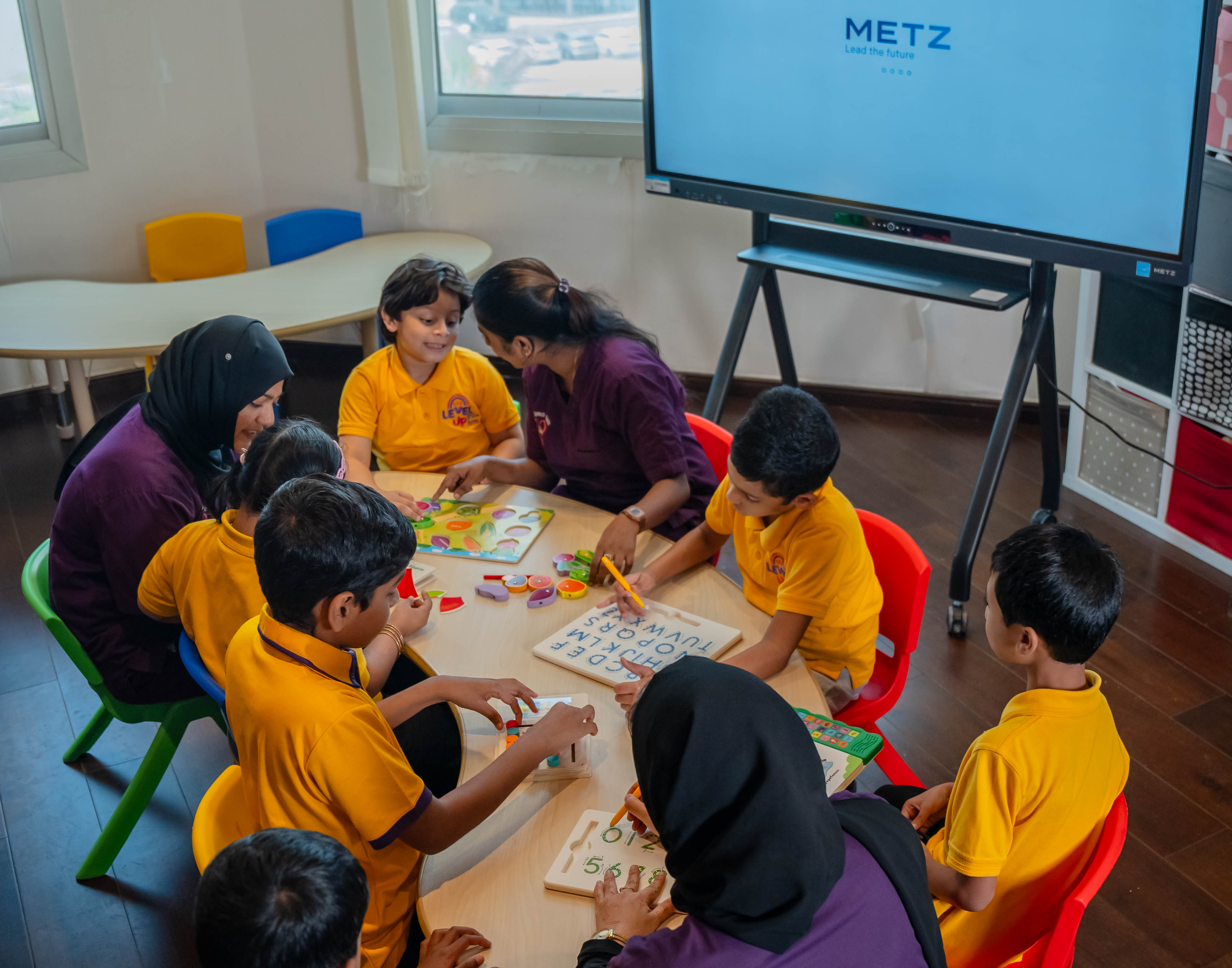
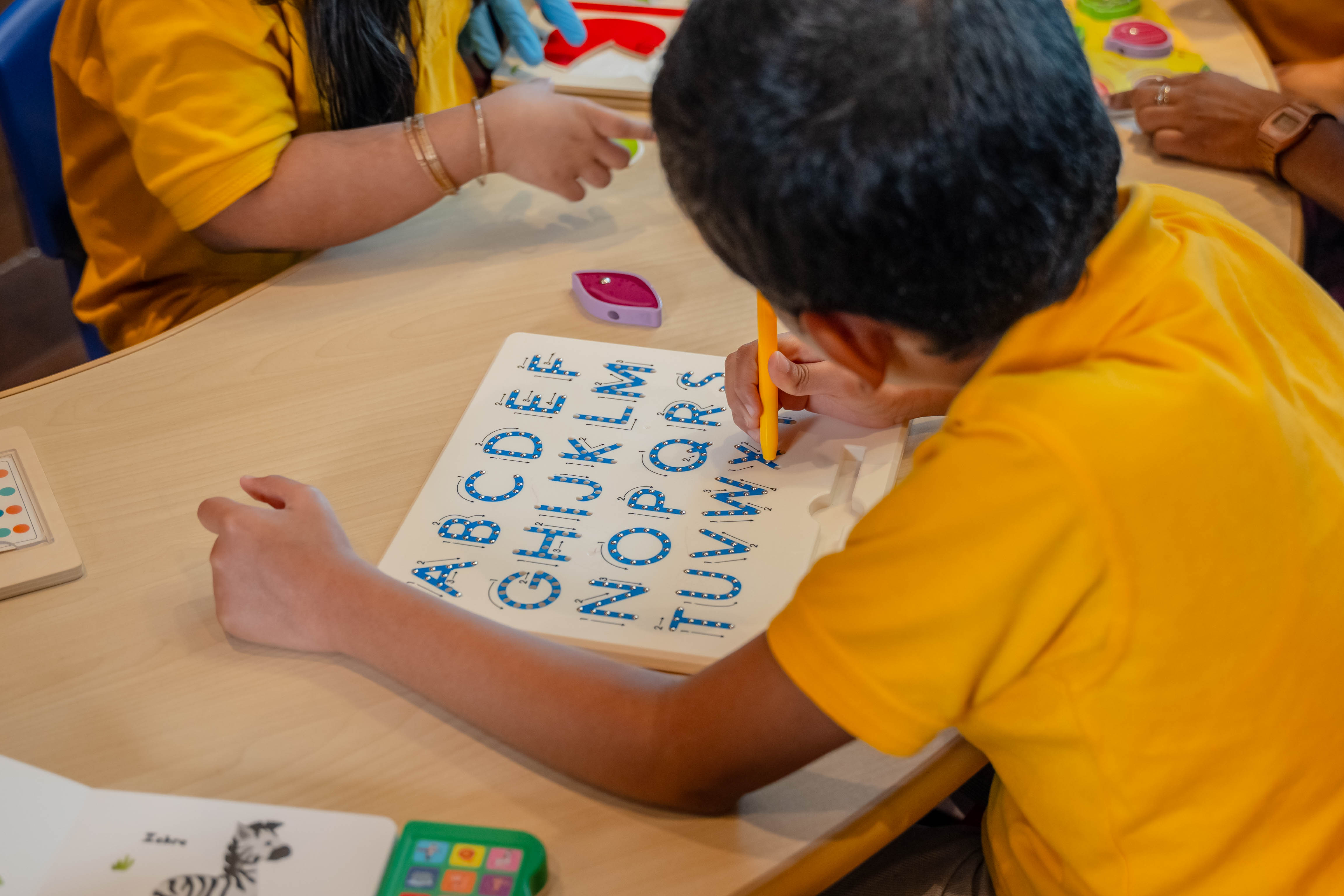
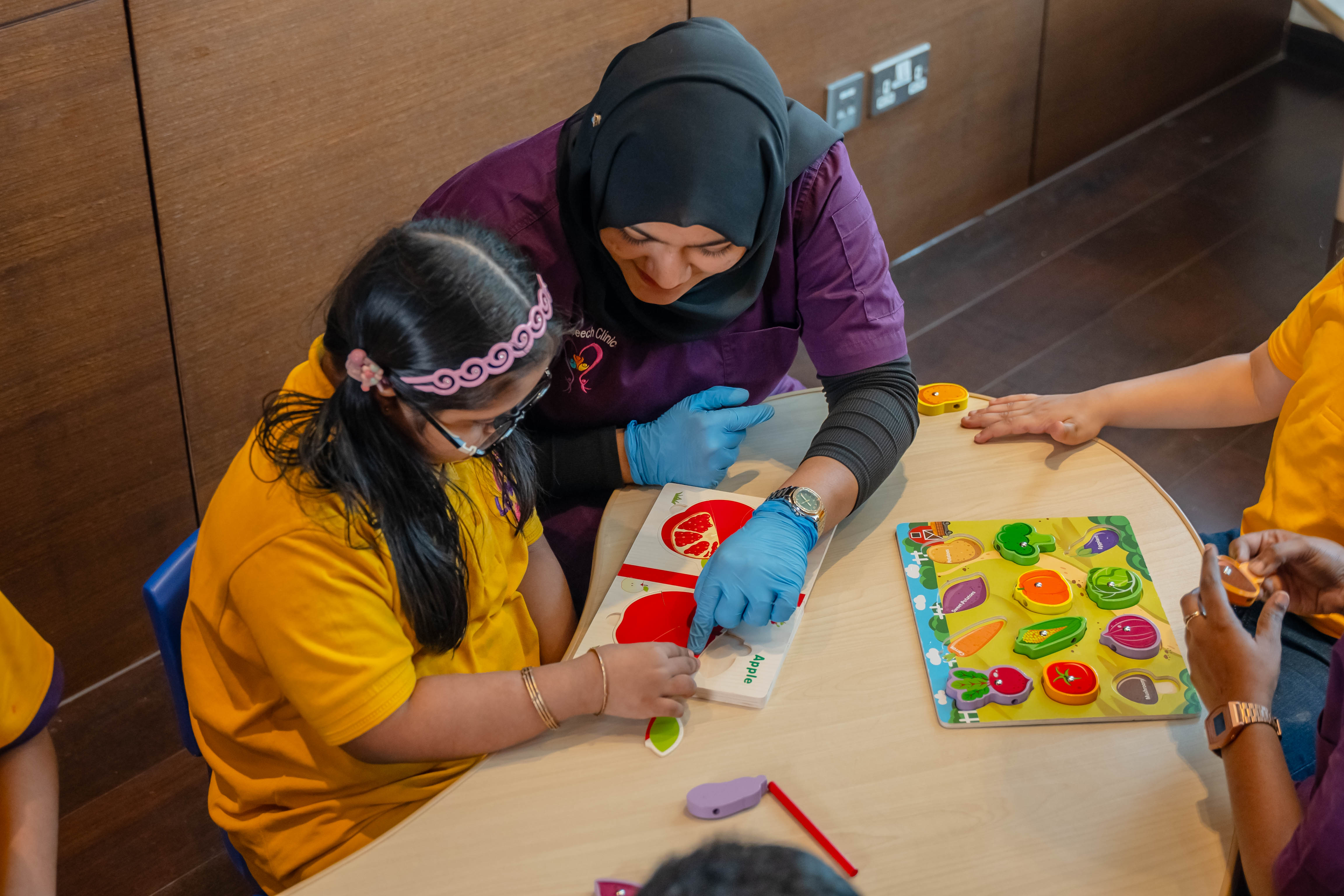
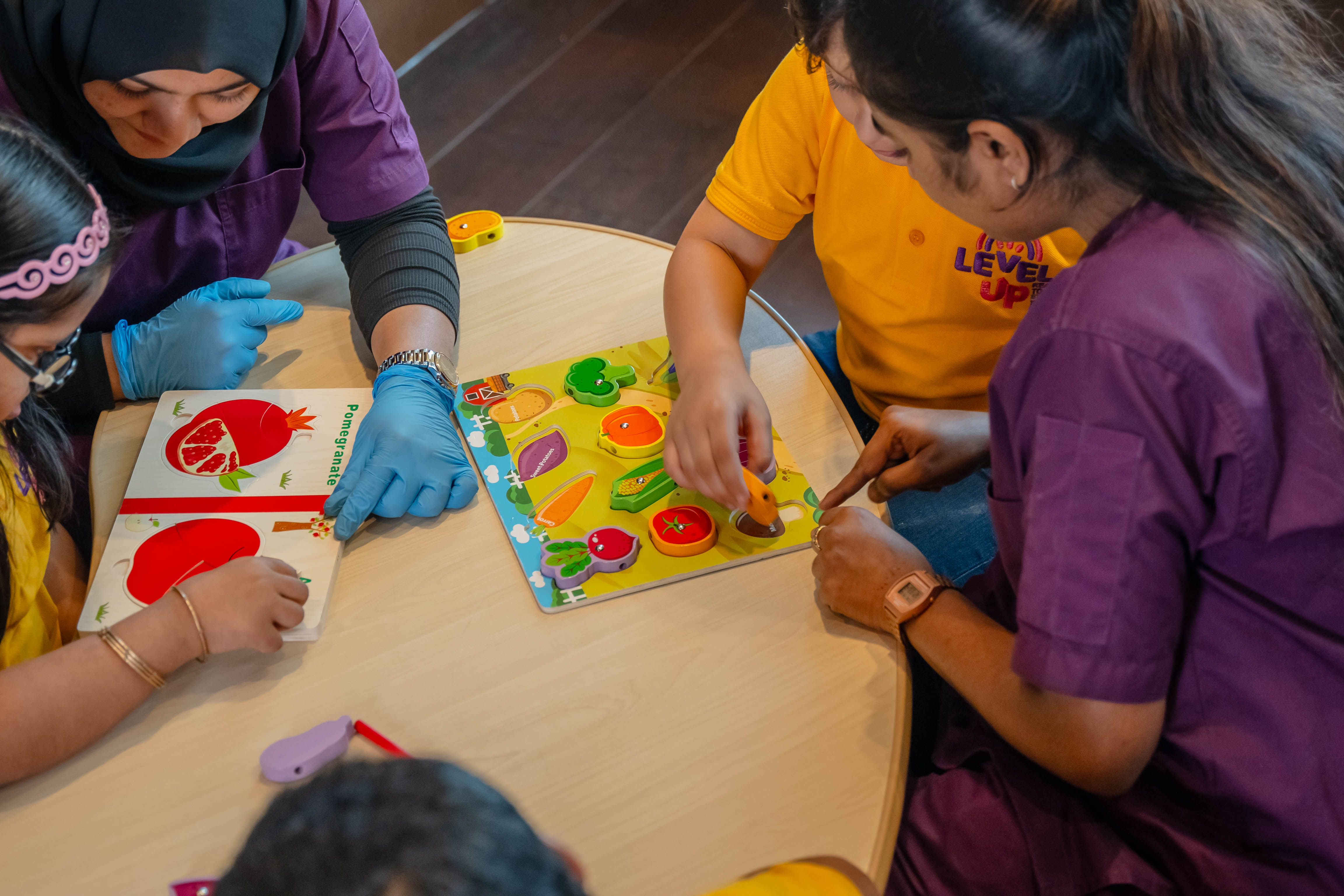
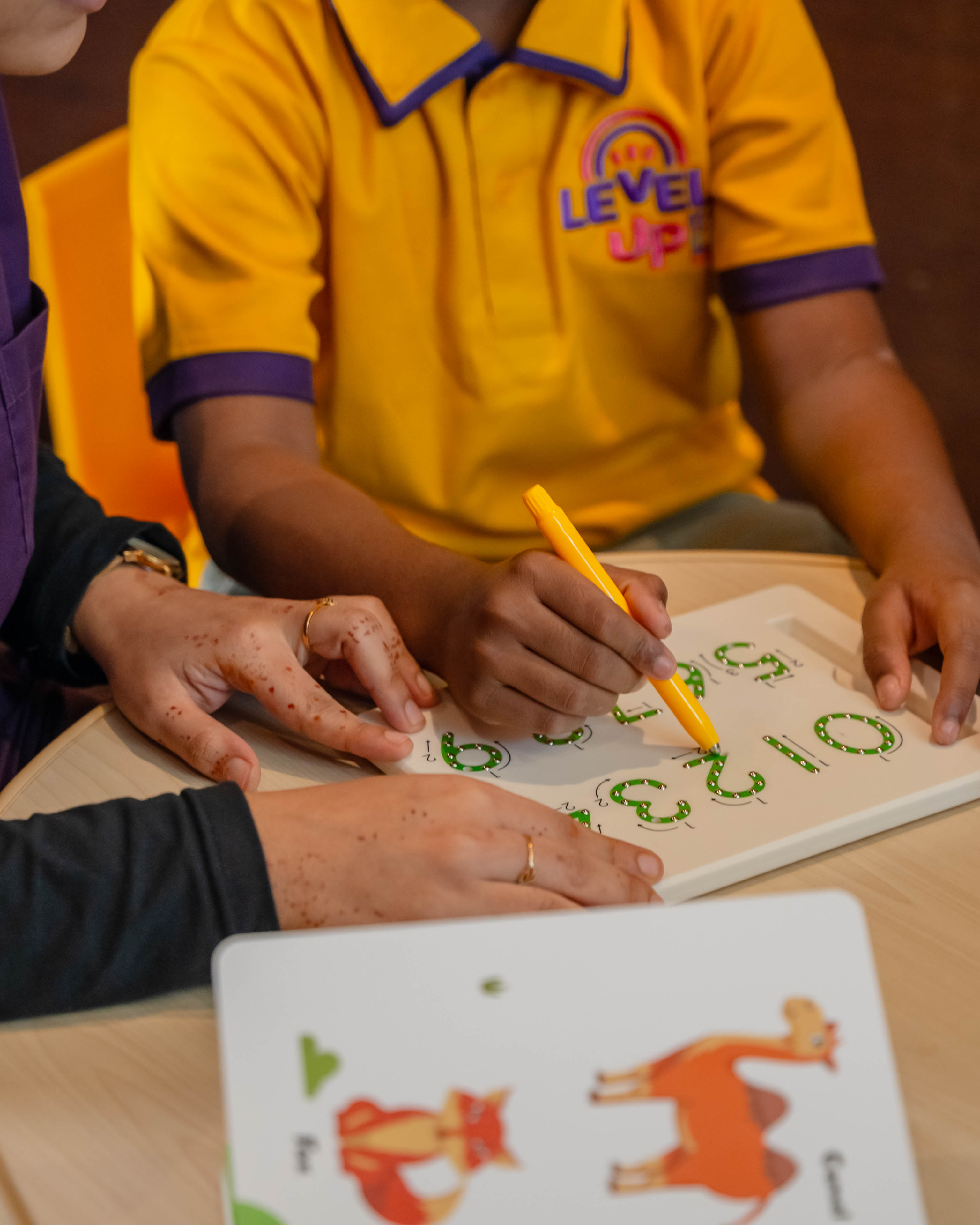
We begin by recognizing each child's unique strengths and needs. Our program is designed to include every child in a nurturing and supportive community, ensuring they feel valued and understood. Through personalized support, we provide the tools and guidance necessary for learning and growth. Ultimately, our goal is to empower each child to achieve their full potential, setting them on a path towards academic and personal success.
Preparing Children For a Successful Start
The program ensures that children can participate, learn, and thrive in school at their own pace, fostering both academic and personal growth. To assess each child's readiness and developmental progress, we use specialized tools like the MDPS Tool and VB-MAPP. These assessments help evaluate each child's developmental needs, ensuring they are prepared for their educational journey.
Our program is divided into two key groups :
- The Pre-academic Group
- The Functional Group
These groups are determined based on each child's functional level and the support they require. The Pre-academic Group focuses on foundational skills necessary for academic learning, while the Functional Group addresses skills for daily living, social interaction, and functional independence. This structure ensures that every child receives the appropriate support and tailored learning experience to help them succeed.
Preparing Children For a Successful Start
LEVEL UP refers to the skills, knowledge, and behaviors that help children succeed in a structured learning environment. It encompasses cognitive, social, emotional, and physical development, ensuring that children can engage in learning, follow instructions, and interact positively with peers and teachers.
Our program offers a comprehensive approach to supporting each child's unique educational needs through the development of :
- Individualized Education Program (IEP)
- Student Profile
- Detailed Case History
- Sensory Profile
- Behavior Profile
One-to-one individual therapy sessions are also included for children who require additional support to enhance their learning and development.
The IEP is a customized plan created to address the specific learning goals and required accommodations for each student, ensuring they receive the necessary support to succeed academically and personally. The Student Profile serves as an in-depth overview of the child, highlighting their strengths, challenges, and preferred learning styles, which allows our educators to tailor instruction and strategies to maximize their potential.
The Case History provides valuable background information, including the student's medical, developmental, and educational history. This helps our team understand the context of the child's learning journey and any previous interventions or strategies that may have been effective or need adjustment. The Sensory Profile assesses how a child responds to sensory stimuli, such as sounds, textures, and visual inputs. This information guides us in creating a classroom environment that is comfortable and conducive to their learning and emotional well-being. Lastly, the Behavior Profile tracks the child‘s behavioral patterns, identifying any triggers or challenges, and allows us to develop effective strategies to manage and support positive behavior development.
By integrating these comprehensive assessments, our program ensures that each child receives a holistic, personalized learning experience that fosters growth, confidence, and success in all areas of development.
Why Is LEVEL UP Important?
LEVEL UP ensures that children enter school with a strong foundation for learning. It helps them:
- Adjust to classroom routines and expectations
- Build positive relationships with teachers and peers
- Develop the confidence to explore and learn at their own pace
The Heart Of Our Program
Our program is led by a dedicated team of special educators and assistant teachers who are committed to providing personalized support and fostering the development of each child. With their expertise, they guide children through key developmental areas such as gross motor skills, fine motor skills, social interaction, and activities of daily living (ADL), ensuring that each child receives the individual attention and encouragement they need. From enhancing reading and literacy to nurturing play skills and promoting recreation & leisure activities, our team creates a supportive environment tailored to the unique needs of each child. The collaboration between special educators and assistant teachers ensures that every child can engage with the program at their own pace, developing essential skills for academic success, social participation, and independent living. Their compassionate and professional approach makes a meaningful difference in each child's educational journey, setting them up for a lifetime of growth and learning.
Key Focus Areas Of Development
Gross Motor Skills:
Developing strength, coordination, and balance through activities like walking, running, jumping, climbing, and throwing.
Fine Motor Skills:
Enhancing hand-eye coordination and dexterity through activities such as writing, cutting, buttoning, and using small objects.
Social Interaction:
Encouraging relationships and communication skills through group play, sharing, turn-taking, and cooperative learning activities.
ADL Skills (Activities of Daily Living):
Supporting independence in self-care tasks like dressing, eating, toileting, and personal hygiene.
Reading and Literacy:
Recognizing letters, sounds, and understanding written language through storytelling, phonics practice, and picture books.
Writing:
Developing tracing, drawing, forming letters, and sentence writing skills.
Numeracy:
Understanding numbers, patterns, and basic math concepts through activities such as counting, sorting, and simple addition and subtraction.
Expressive and Receptive Language:
Encouraging conversations, answering questions, and listening exercises to help children express thoughts and understand spoken language.
Play Skills:
Enhancing creativity, problem-solving, and social engagement through pretend play, role-playing, and structured games.
Recreation & Leisure Activities:
Engaging in sports, music, dance, and outdoor exploration.
Extracurricular Activities:
Exploring art, drama, music, and sports clubs to expand skills beyond academics and discover new talents.
Group Activities:
Participating in circle time discussions, group storytelling, and team-building games to promote social interaction, creativity, cooperation, and turn-taking.
By focusing on these essential developmental areas, we help children build the skills needed for academic success, social participation, and independent living.

Meet Our Therapists
View All
BSc Psychology, MSc Applied Psychology, BEd in Special Education
4 Years Experience
Reshma Susan Varghese
Special Educator / Remedial Trainer
Movement based learning: Building Block Activities-Brain gym + 2 more

Special Education Needs Diploma (SEND), Applied Behavior Analysis
5 Years Experience
Lovlitha Rajendran
Special Educator
Movement Based Learning: Building Block Activities (Brain Gym)

BE.d Special Education (pursuing), Special Education Needs (SEND), Applied Behavior Analysis
2 Years Experience
Anjali Prakash
Special Educator
Movement Based Learning: Building Block Activities (Brain Gym)

Special Education Needs Diploma (SEND), Applied Behavior Analysis
2 Years Experience
Fathimath Manshooda U N
Special Educator

Experience
Honey mol
Special Educator

Experience
Anjala
Special Educator

Frequently Asked Questions
Showing 8 of 24 questions
?What is the School Readiness Program?
It is a structured early intervention program that helps children with special needs develop the essential skills required to participate successfully in a classroom setting. It focuses on communication, social interaction, attention, behavior, and early learning skills.
?How are sensory needs managed?
Children's sensory profiles are assessed, and tailored sensory diets are created. Activities like movement breaks, deep-pressure tasks, and calming corners help regulate attention and improve classroom engagement.
?How do you determine when a child is ready to transition to mainstream school?
Readiness is determined through multidisciplinary assessment of developmental, behavioral, and academic skills. Criteria include consistent attention, communication readiness, social interaction, and independence in basic routines. Progress is reviewed with parents before transition decisions are made. The goal is to ensure the child can participate effectively in group learning environments.
?What teaching strategies are used?
We follow evidence-based methods such as structured teaching (TEACCH), visual schedules, task analysis, positive reinforcement, modelling, and multisensory learning to match each child's learning style.
?Who can benefit from this program?
Children with developmental delays, autism, ADHD, intellectual disabilities, or multiple disabilities who need structured support before entering mainstream or special education classrooms.
?How do you manage emotional regulation and independence during group activities?
Therapists use sensory strategies, visual cues, and self-regulation tools to help children identify and manage emotions. Calm corners, breathing techniques, and predictable transitions are integrated into sessions. Independence is promoted through structured routines and fading prompts. Over time, children learn to self-monitor and participate in group settings with minimal support.
?What are the key goals of the programme?
To develop school-related readiness skills such as sitting tolerance, following instructions, task completion, turn-taking, communication, social participation, and pre-academic concepts like letters, numbers, and colours.
?How do you support children with multiple disabilities?
A personalized plan is created for every child, focusing on their strengths. Adapted materials, visual aids, assistive devices, and multisensory activities are used to ensure active participation and meaningful progress.