Neuro Integrative Therapy
Neurointegrative Therapy

Advancing Development Through Targeted Neuroplasticity
At The Speech Clinic Dubai, NeuroIntegrative Therapy is a cutting-edge intervention model developed by our founder, Ms. Sana Shareef , to support the neurological foundations of communication, movement, and regulation. Rooted in contemporary neuroscience, this approach harnesses the brain’s innate capacity for change — known as neuroplasticity — to drive meaningful therapeutic outcomes.
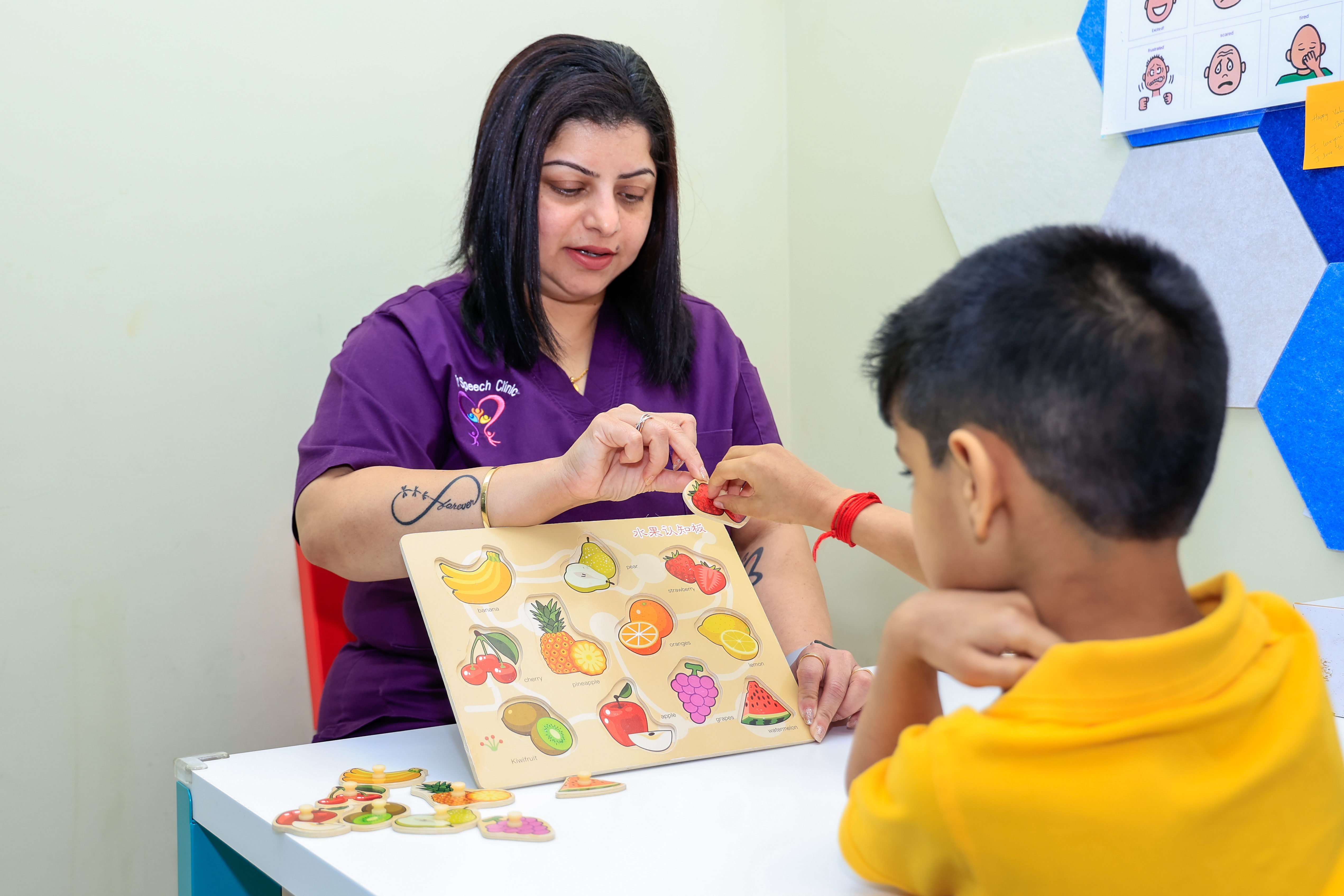
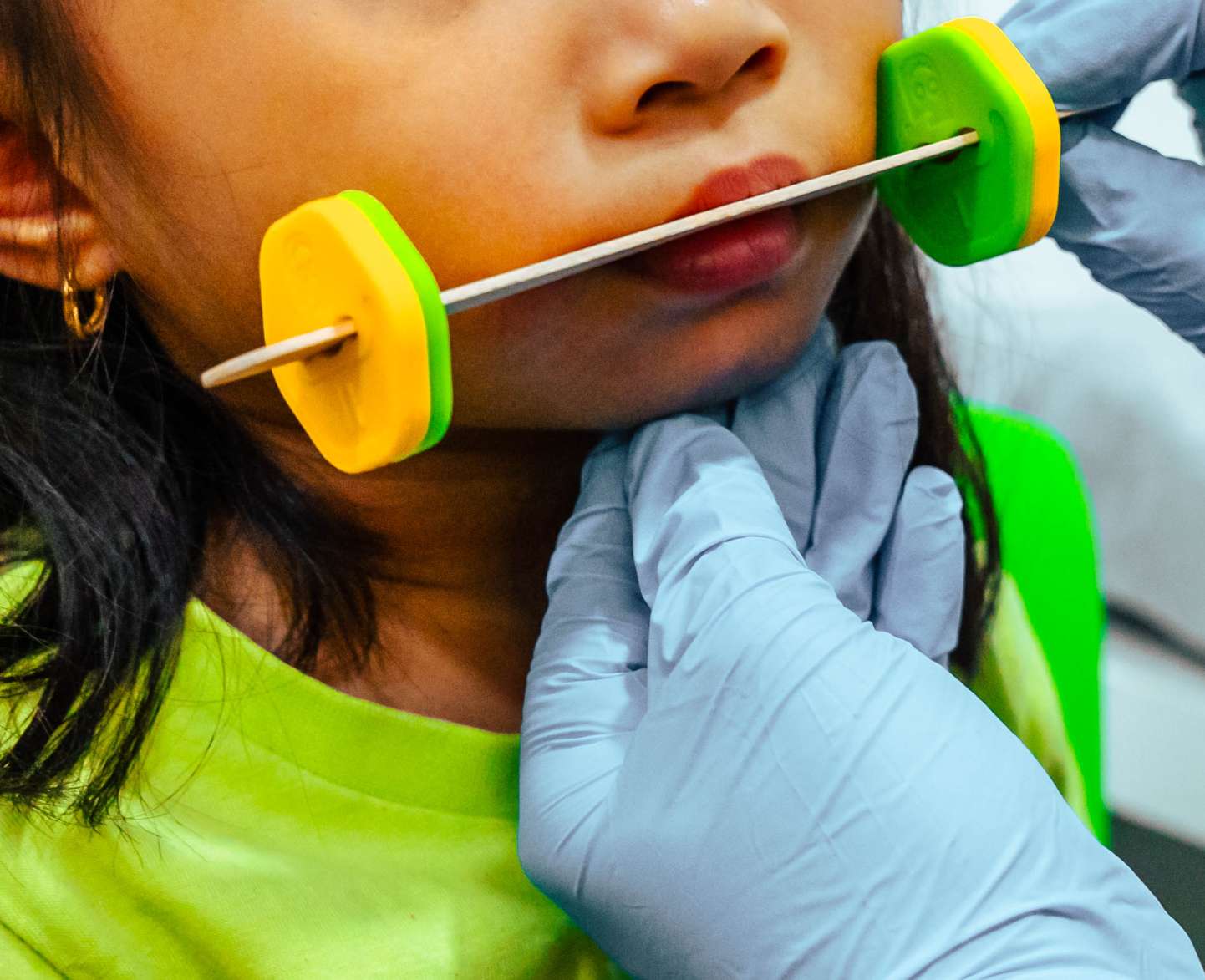


Rather than treating symptoms in isolation, NeuroIntegrative Therapy works at the level of the brain-body connection. It integrates structured movement, sensory feedback, rhythmic timing, and targeted stimulation to enhance functional connectivity across key neural networks responsible for speech, language, motor planning, and cognitive engagement.
The approach draws from well-established principles in developmental neurobiology and brain-based learning , emphasizing the importance of activating under-responsive systems and synchronizing neural timing to unlock learning potential. By gently engaging the brain through multisensory pathways and repetition, this method encourages the formation of new, efficient neural circuits.
This therapy is ideal for children with motor speech challenges, sensory integration difficulties, developmental delays, or those who present with global processing differences. Each session is designed to be personalized, measurable, and neurologically driven — ensuring therapy is not only effective, but future-forward.
Who Is It For?
NeuroIntegrative Therapy is designed for children who require more than conventional therapy approaches — children whose brains benefit from deeper, targeted engagement across sensory, motor, and cognitive systems. It is especially effective for :
- Children with motor speech disorders such as Childhood Apraxia of Speech
- Neurodivergent learners including those with Autism Spectrum Disorder and ADHD
- Children with global developmental delays or hypotonia
- Sensory integration and processing challenges
- Children with executive function difficulties,such as attention, planning, and regulation
- Late talkerswith underlying neurological inefficiencies
- Children not making expected progress through traditional therapy alone

Frequently Asked Questions
Showing 8 of 13 questions
?What is Neuro-Integrative Therapy and how can it help my child?
Neuro-Integrative Therapy is a cutting-edge intervention model developed by our founder, Sana Shareef, to support the neurological foundations of communication, movement and regulation. Itʼs rooted in contemporary neuroscience and harnesses the brainʼs innate capacity for change (neuroplasticity) to drive meaningful outcomes. Rather than treating symptoms in isolation, the approach works at the level of the brain-body connection — integrating structured movement, sensory feedback, rhythmic timing and targeted stimulation to enhance connectivity across neural networks responsible for speech, language, motor planning and cognitive engagement.
?What kinds of challenges or needs can be helped through Neuro- Integrative Therapy?
This therapy is effective for children with:
- • Motor speech disorders (e.g., Childhood Apraxia of Speech)
- • Neurodivergent profiles including Autism Spectrum Disorder and ADHD
- • Global developmental delays or hypotonia
- • Sensory integration and processing difficulties
- • Executive function challenges (attention, planning, regulation)
- • Late talkers with underlying neurological inefficiencies
?How often will therapy happen and when will we see improvement?
FBecause this therapy is neurologically driven and tailored to deeper-level systems, the frequency and timeline will depend on your childʼs starting point. Some children may begin to show improved regulation, attention, motor planning or speech integration within a few weeks; other more complex cases may require longer-term support. Weʼll monitor outcomes carefully and adjust plans as your child progresses.
?Can Neuro-Integrative Therapy be combined with other interventions?
Absolutely. It complements speech therapy, occupational therapy, physiotherapy, and behavioral programs (ABA). Integration ensures the brain receives coordinated sensory input, leading to more stable and faster development across all domains.
?Which children and age groups is this service designed for?
We provide Neuro-Integrative Therapy for children up to age 16. It is designed particularly for those who require more than conventional therapy — children whose brains benefit from deeper, neurologically-driven engagement.
?Who provides Neuro-Integrative Therapy?
Certified Speech-Language Pathologists, Occupational Therapists, and Physiotherapists trained in neuro-sensory and reflex integration frameworks deliver this therapy collaboratively. Interdisciplinary teamwork ensures holistic development.
?How do I get started and book a session?
Call +971-50-885 7146 or email info@thespeechclinic.ae to schedule an initial consultation and assessment.
Location: Dubai Healthcare City, Building 47, Units 301/302/303/304, Dubai, UAE
Hours: Monday to Saturday, 9 am – 7 pm
We will design a personalised plan using structured movement, sensory-motor integration, rhythmic tasks, and targeted stimulation to support neuroplasticity.
?How is progress tracked?
Progress is tracked through:
- • Standardized neuro-motor and speech assessments
- • Reflex and sensory integration checklists
- • Video recordings of motor-speech sequences
- • Functional communication goals
- • Parent feedback on carryover