Feeding Therapy
Feeding Therapy

At our The Speech Clinic, in Dubai, we understand that feeding difficulties can affect both the physical and emotional well-being of individuals. Our Feeding Therapy services are designed to help children and adults overcome challenges such as picky eating, swallowing issues, and sensory sensitivities to food.

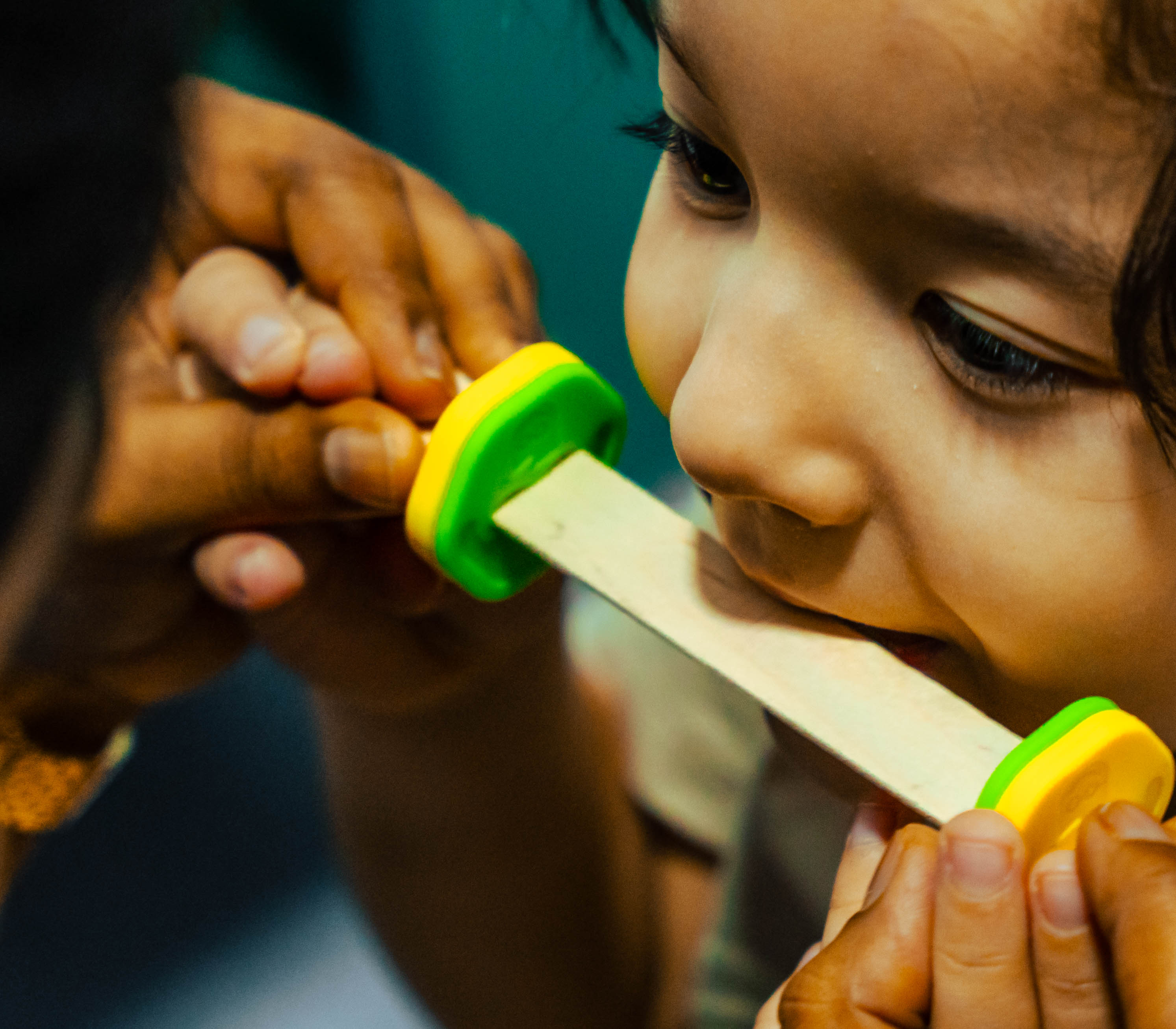
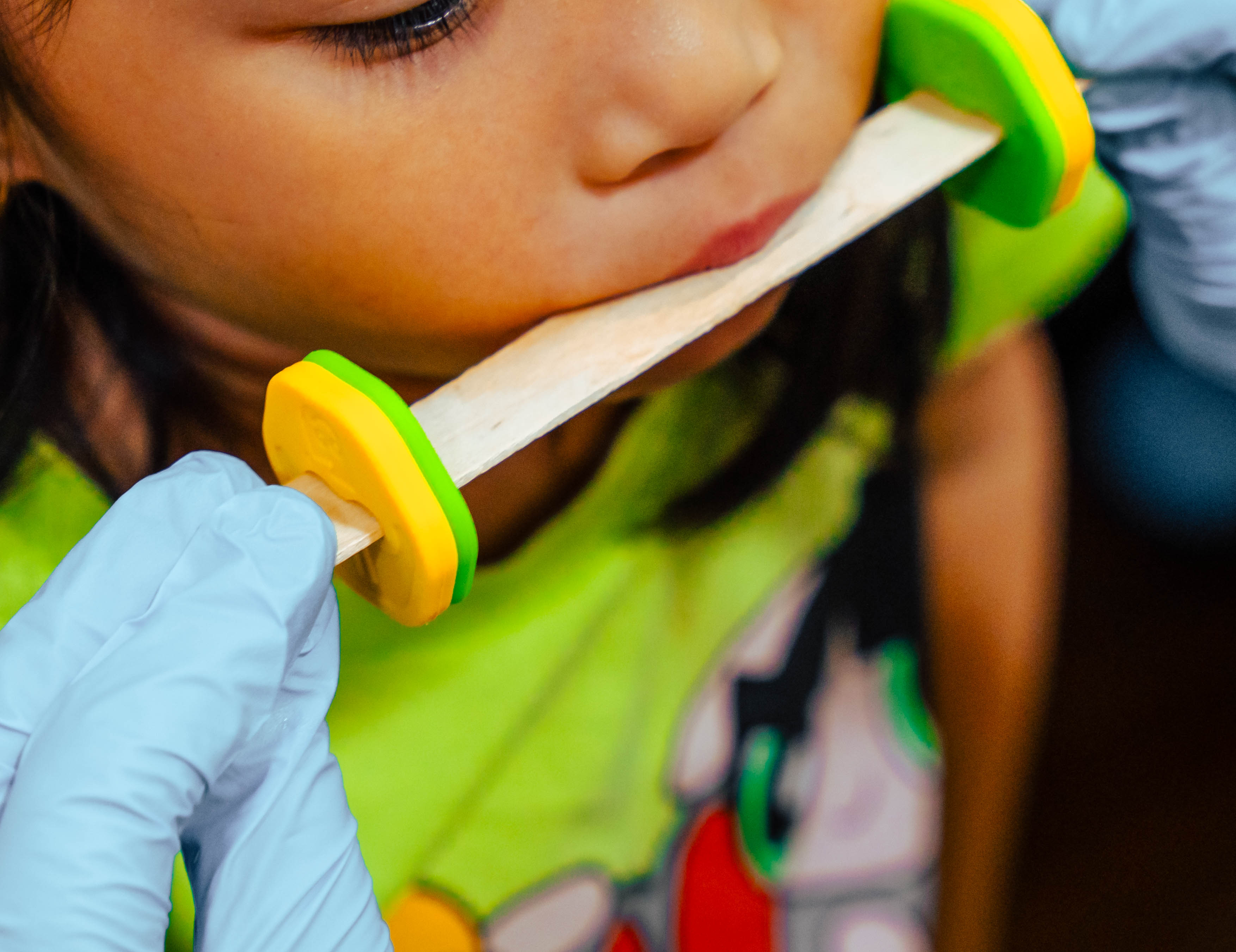
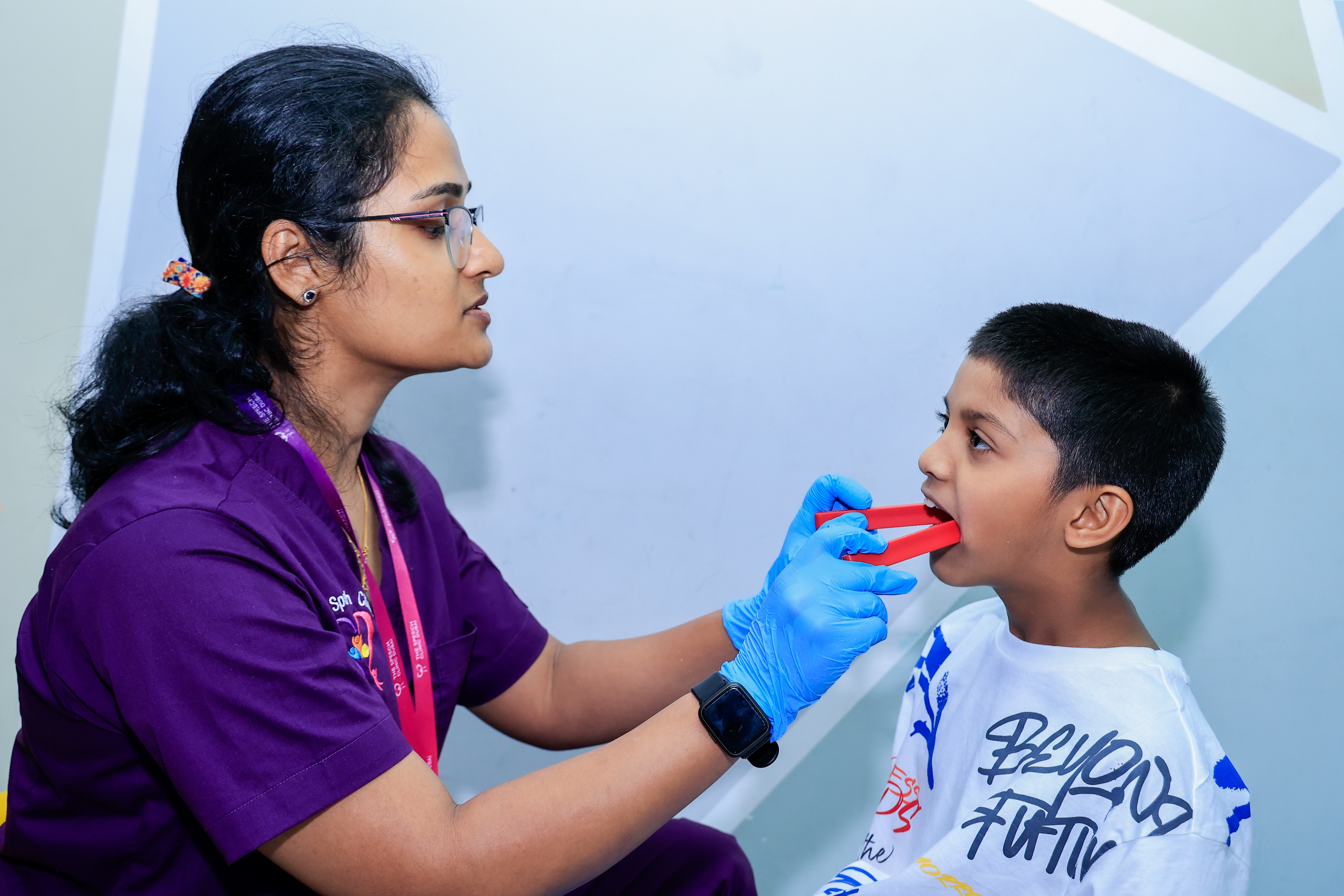
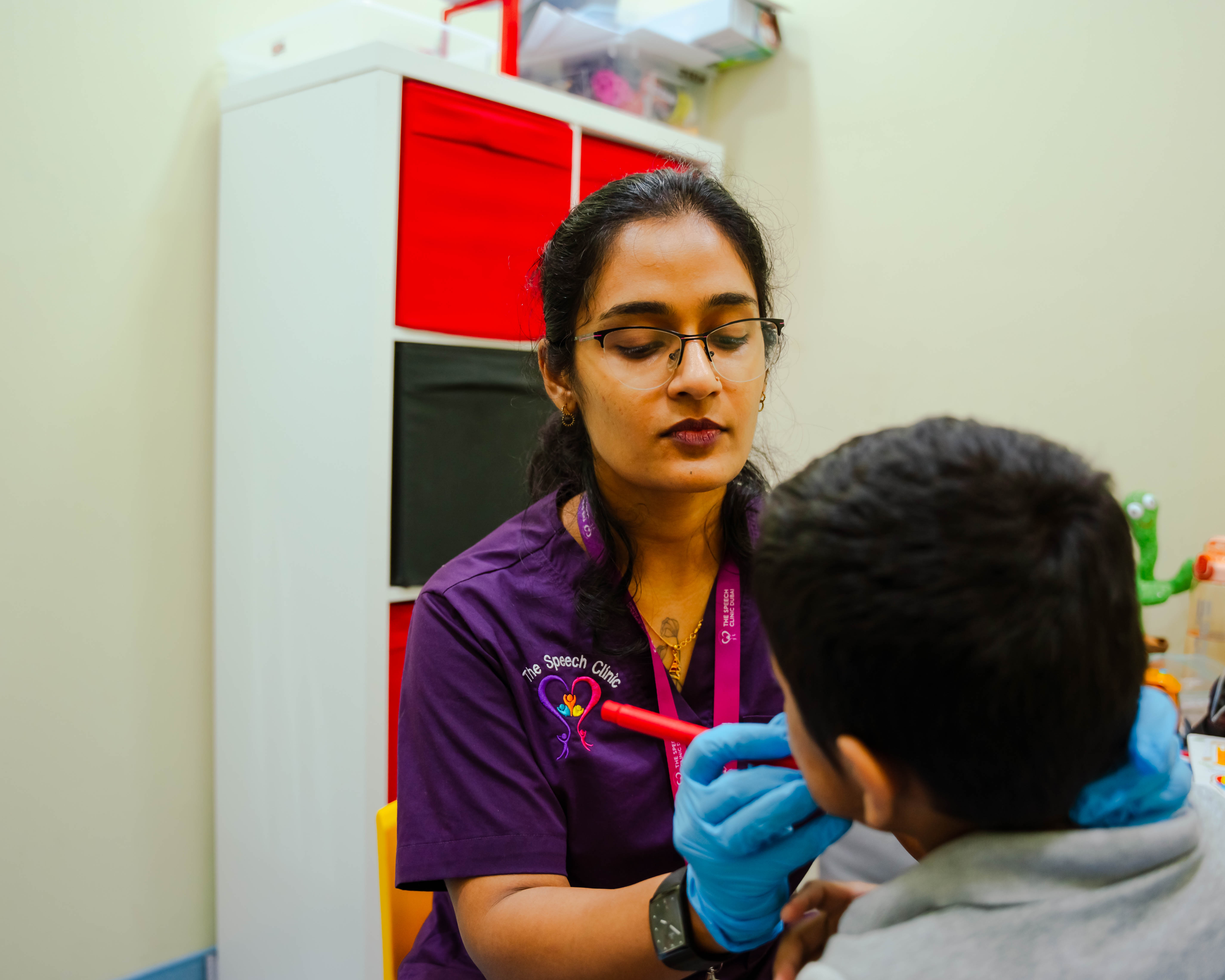
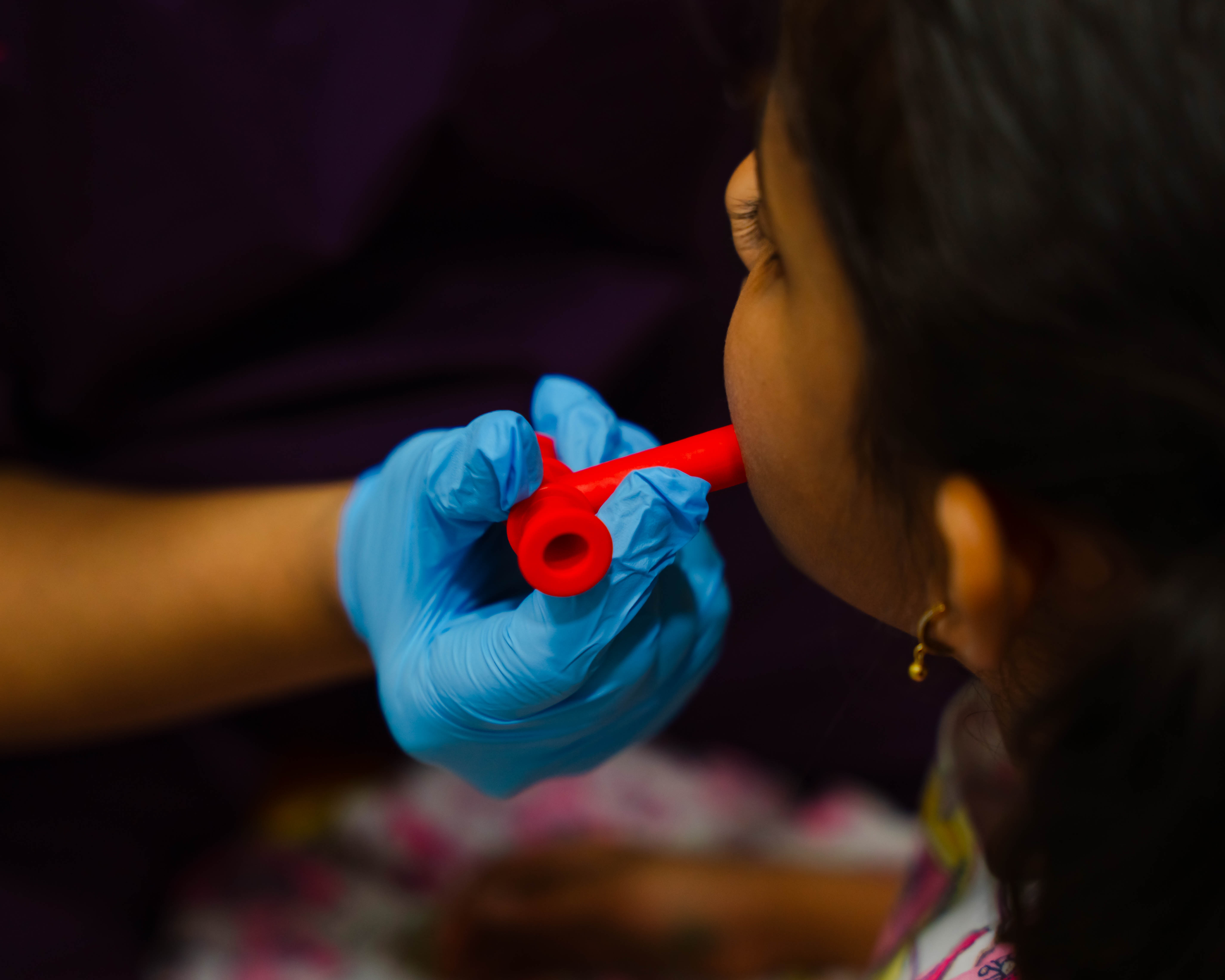
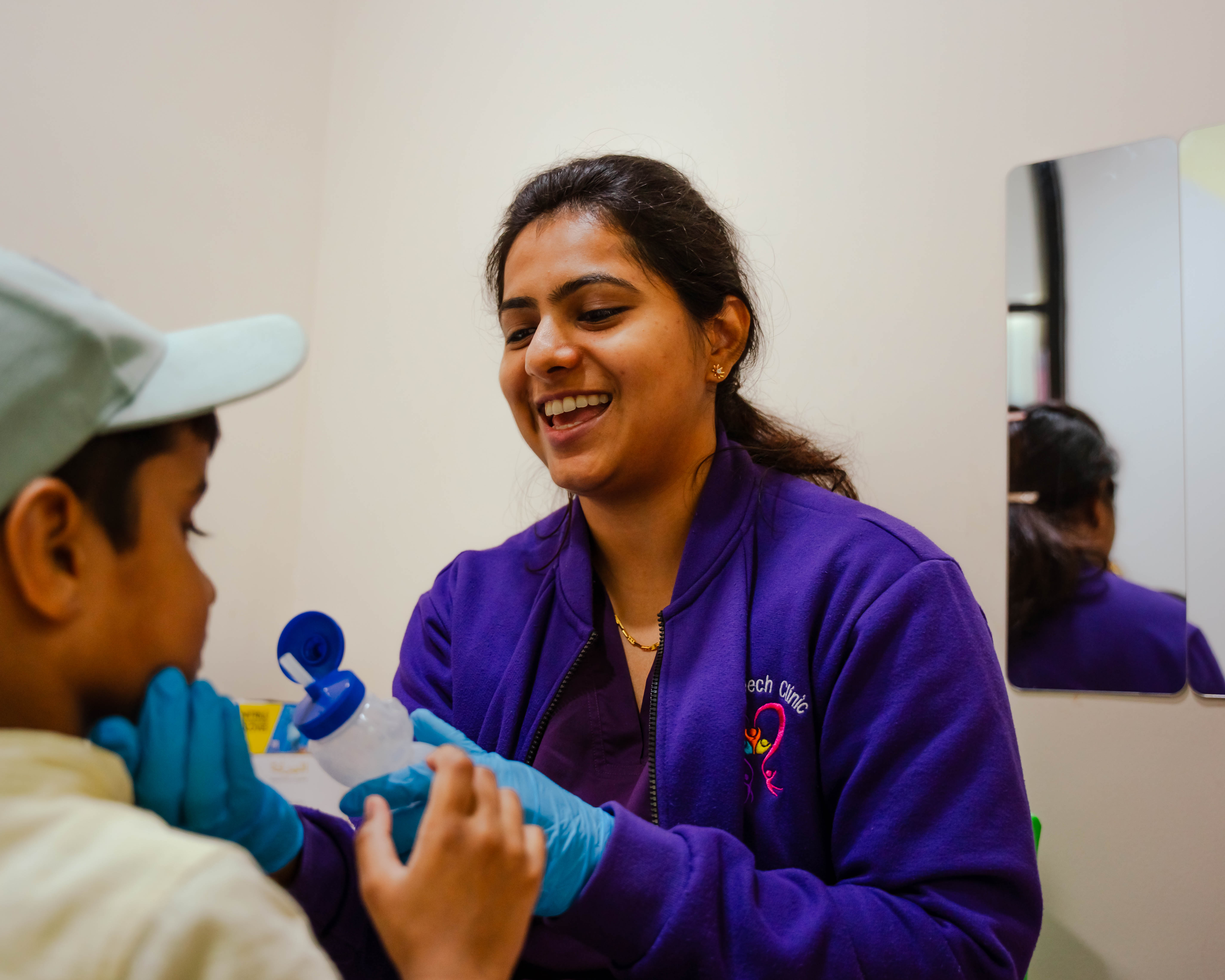
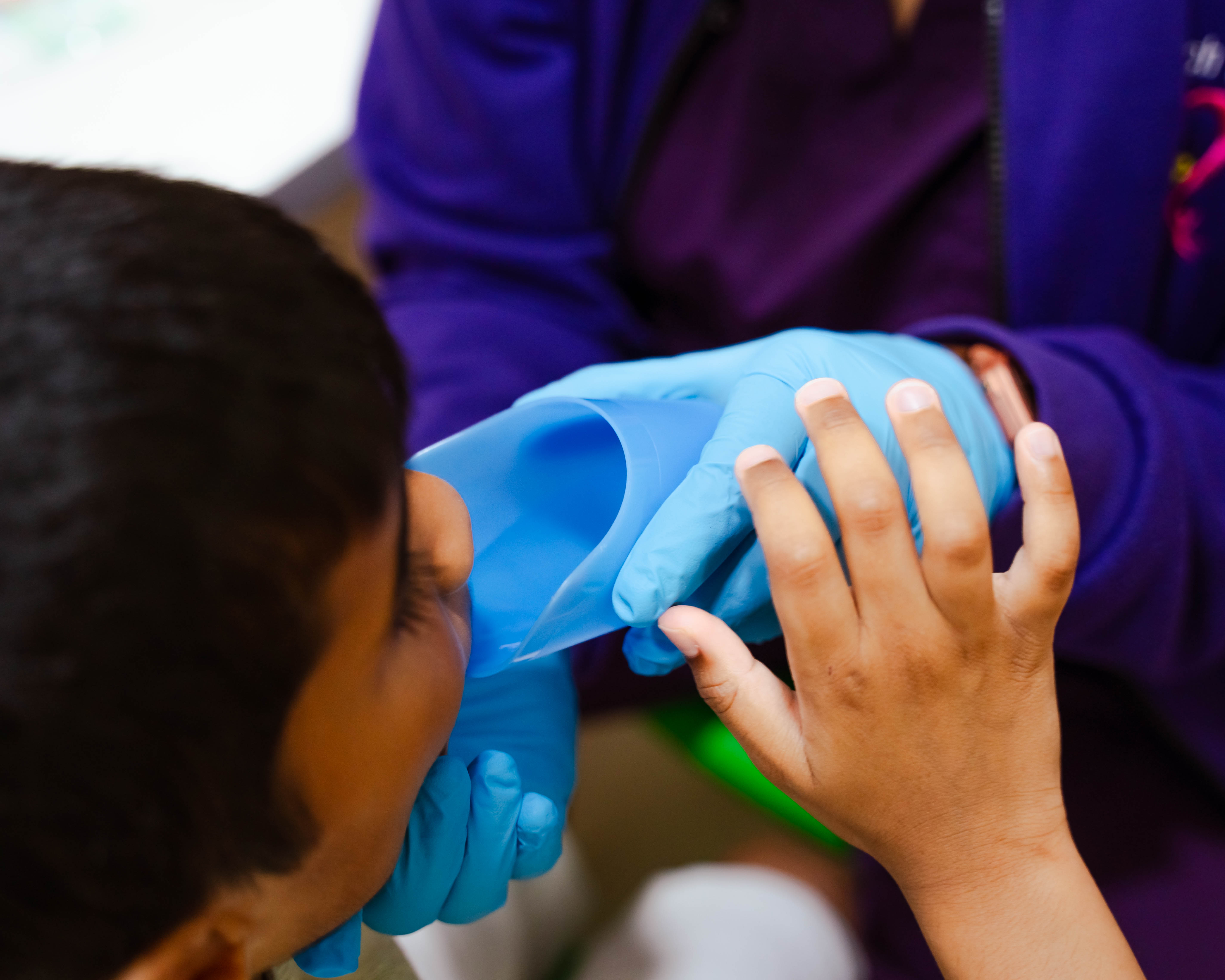
At The We use a combination of evidence-based approaches to address these difficulties and create a Our Approach: Playful, Fun, and Effective!
We use a combination of proven, playful methods to help individuals overcome feeding challenges. Each approach is tailored to meet your specific needs, ensuring progress at your own pace.
1.SOS Approach to Feeding:
The Sequential Oral Sensory (SOS) Approach is all about making food less intimidating. It starts with play and exploration – no pressure, just fun! By gradually introducing new textures, tastes, and even colors of food, we help children feel more comfortable and confident around meals. The goal is to go from simple exploration to actually eating and enjoying a variety of foods.
What’s Included?
- Exploring foods without the pressure to eat them
- Creating positive associations with different textures and tastes
- Moving at your pace – no rush, just steady progress
2.TalkTools Feeding Therapy:
TalkTools is a unique, hands-on therapy that uses specific tools and exercises to strengthen and coordinate the muscles needed for chewing and swallowing. Whether your child struggles with oral-motor skills or sensory sensitivities, TalkTools focuses on improving mouth strength and coordination so that eating becomes easier, safer, and more enjoyable.
What’s Included?
- Fun oral-motor exercises to strengthen mouth muscles
- Tools that make chewing and swallowing easier and more comfortable
- Personalized therapy plans that evolve as you progress
Common Feeding Challenges We Address:
Picky Eating:
Does your child turn their nose up at most foods? Let's explore the world of flavors together!
Swallowing Issues:
Struggling with swallowing can be stressful. We'll work on building confidence and safety around eating.
Sensory Sensitivities:
If certain textures or smells turn you off from food, we'll help you feel comfortable with more variety.
Oral Motor Difficulties:
If chewing and swallowing are a challenge, we use hands-on techniques to build strength and coordination.
Transitioning from Liquids to Solids:
Moving from bottle-feeding to solid foods doesn't have to be overwhelming we'll make it smooth!
What to Expect in Feeding Therapy:
Every session is designed to be interactive, engaging, and full of fun activities! We know that feeding therapy doesn't have to be a chore, and we make sure every step is a positive experience.
Interactive Play:
From sensory food exploration to hands-on oral-motor exercises, every session is full of exciting, child-friendly activities.
Gradual Progress:
We break things down into small, manageable steps so that every milestone feels like a win.
Sensory Sensitivities:
Parents and caregivers are a big part of the process! We'll guide you with practical tips and strategies to support progress at home.
Ready to Get Started?
Feeding therapy at our clinic is all about taking one step at a time no pressure, just progress. We're here to make mealtimes enjoyable again, so that both you and your child feel confident around food. If you're ready to make mealtime fun again, let's talk! Contact us today to schedule a consultation, and take the first step toward building a positive, stress-free relationship with food.

Frequently Asked Questions
Showing 8 of 26 questions
?What is paediatric feeding therapy and how can it help my child?
Paediatric feeding therapy focuses on helping children who have challenges with eating, drinking, or swallowing. These may include picky eating, sensory-based food refusals, difficulties coordinating the mouth muscles used for chewing and swallowing, or challenges moving from liquids to solid foods.
At The Speech Clinic Dubai, we use evidence-based approaches such as the SOS Approach, Food Chaining techniques and TalkTools Feeding Protocol. Therapy is conducted in a supportive and playful environment to help your child build confidence, develop safe feeding skills, and enjoy mealtimes.
?What types of feeding challenges do you help with?
We support a wide range of feeding concerns, including:
- • Persistent picky eating or refusal of age-appropriate foods
- • Sensory sensitivities to textures, smells, temperatures, or food colours
- • Orofacial neuromuscular difficulties (e.g., weak chewing strength, poor tongue coordination)
- • Challenges transitioning from purees to textured solids
- • Difficulty chewing or swallowing
- • Gagging, coughing, or discomfort during meals
- • Anxiety or behavioural resistance around mealtimes
- • History of medical or developmental conditions impacting feeding
?Do you also help with cup drinking, straw drinking, and/or bottle weaning?
Absolutely. We support transitions such as:
- • Bottle to cup
- • Open cup training
- • Straw drinking skills
- • Reducing dependency on feeding bottles
We use structured oral-motor and sensory strategies to make the transitions smooth and safe.
?Do you help children who are not gaining weight properly?
Yes. If feeding difficulties affect nutrition or growth, we collaborate with paediatricians and dietitians. Our role is to improve chewing, swallowing, food acceptance, and overall intake safely.
?Which age groups do you work with for feeding therapy?
We provide feeding therapy for children from infancy through 16 years of age. Our programme is tailored to each developmental stage, ensuring that your child's sensory, motor, and behavioral feeding needs are fully supported as they grow.
?How do I book a feeding therapy session? Where are you located?
To schedule an assessment:
- • Phone: +971-50-885 7146
- • Email: info@thespeechclinic.ae
Location:
Dubai Healthcare City
Building 47, Units 301/302/303/304
Timings:
Monday to Saturday
9:00 am – 7:00 pm
?Can feeding therapy help with slow eating for children who take too long to finish meals?
Yes. Slow eating may be due to low oral-motor endurance, difficulty chewing, or reduced sensory awareness. Therapy builds stamina, improves chewing efficiency, and helps your child complete meals within a healthier timeframe.
?Can feeding therapy help a child with frequent coughing or choking while eating?
Yes. Coughing or choking may indicate poor swallowing coordination or weak oral-motor control. A therapist assesses safety, identifies risks, and designs a therapy plan to improve safe swallowing.